

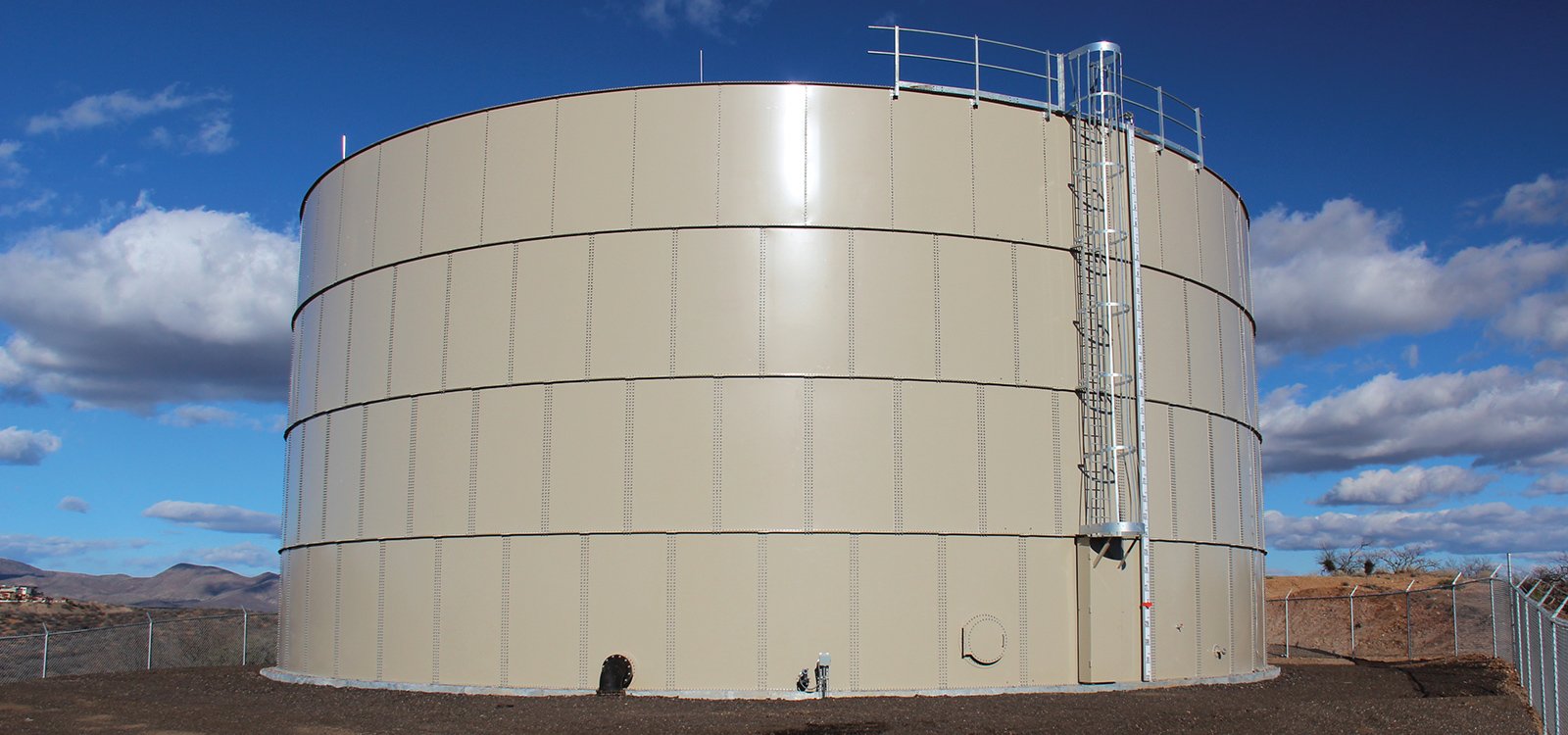
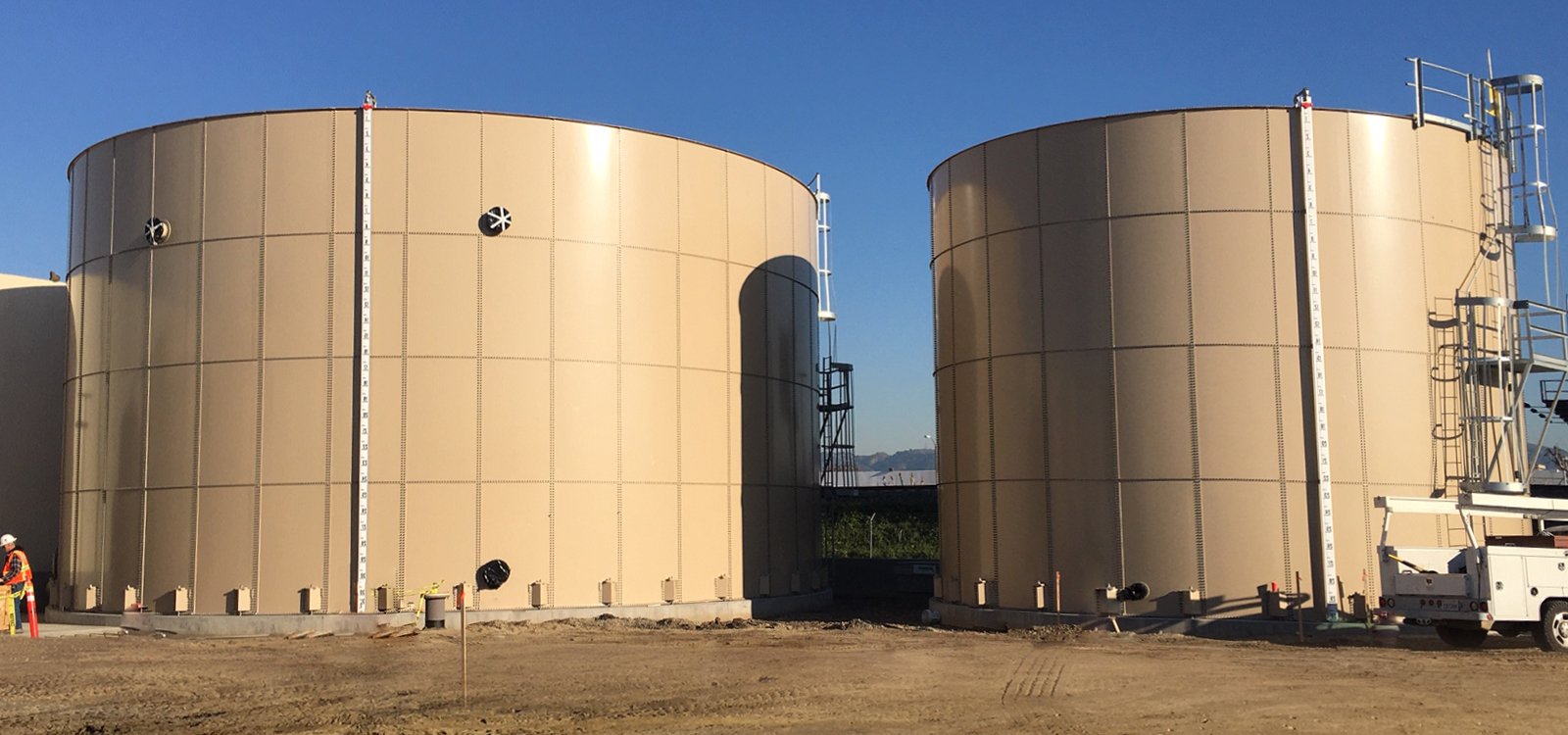
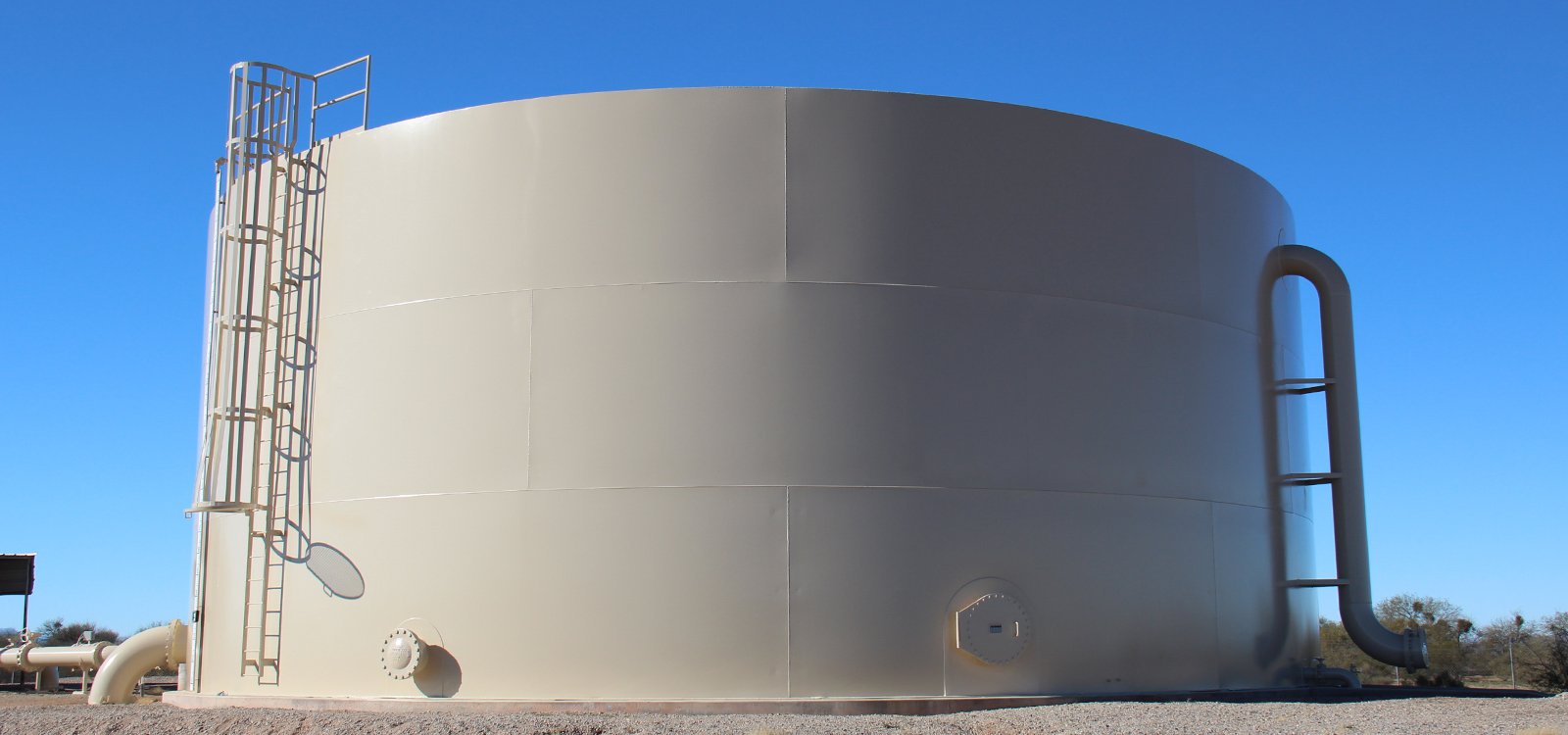
SUPERIOR BOLTED AND WELDED STEEL STORAGE TANKS
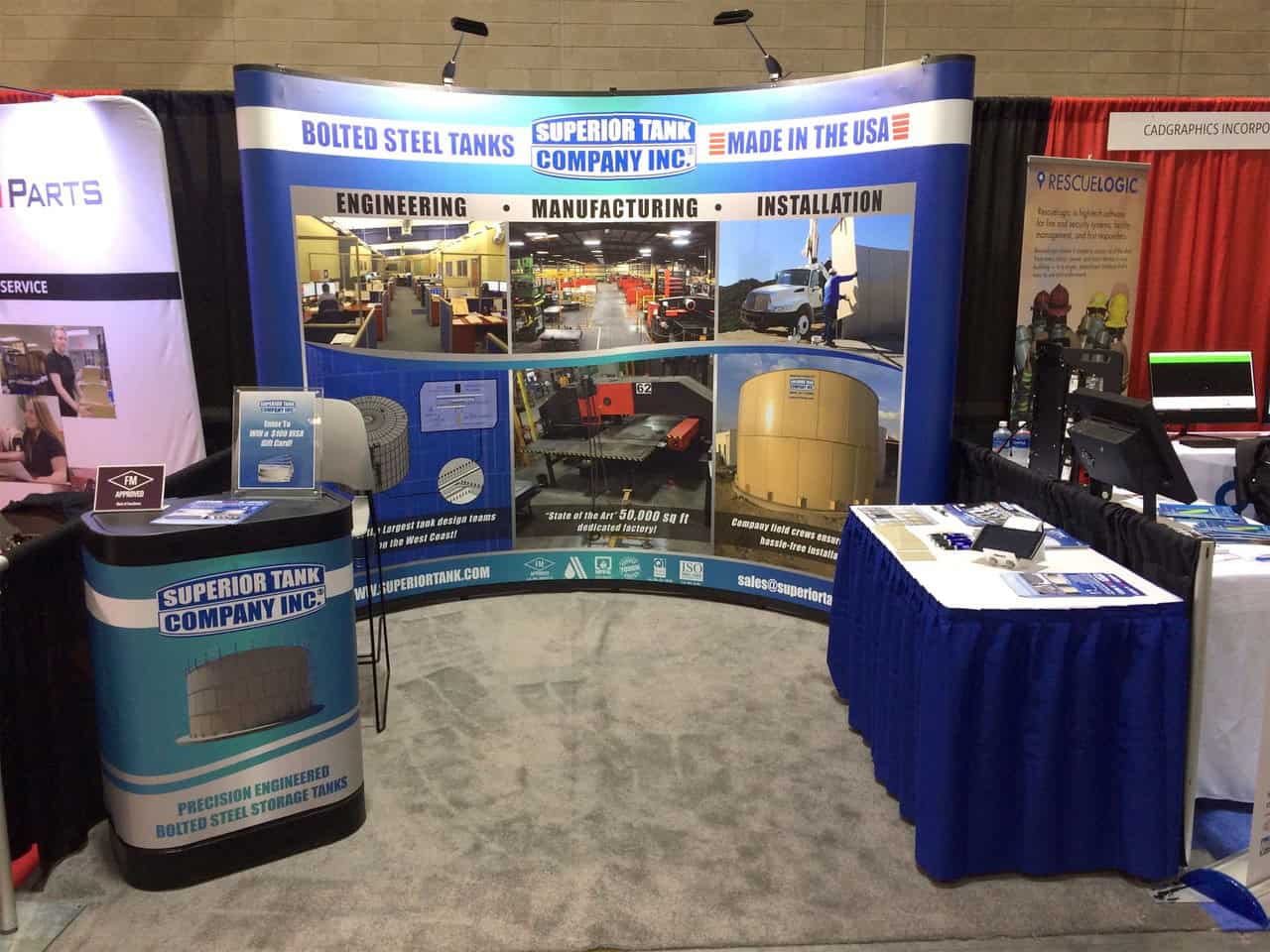
Superior Tank can help with everything for water and oil storage; from tank engineering, bolted & welded tank manufacturing and tank installation. We were founded on three basic principles: continuous innovation, a focus on quality and treating people with respect and integrity.


SAFETY THROUGH LEADERSHIP
Superior Tank is dedicated to cultivating a strong safety presence throughout the company and implementing safety measures, especially throughout the installation process. With the support of management and all employees, we have been able to develop a safe and secure installation process resulting in a high-quality final product which meets our customers’ needs.
We proudly received the RAVS Plus participant designation from ISN, reflecting our commitment to effective and compliant EHS policies.
Only 11% of ISN subscribers have participated in this rigorous evaluation process.
SAFETY INSPECTIONS
Our internal safety teams perform over 2,200 safety inspections both at our manufacturing facilities and in the field per year. That’s nearly 2,000 hours!
SAFETY MEETINGS
Our manufacturing and installation teams hold over 1,600 meetings per year totaling over 500 hours.
SAFETY EXPERIENCE
Our Safety Managers have a combined 40 years of experience!
CERTIFICATIONS
We currently hold 22 nationally recognized certifications, ensuring that we hold our employee safety and tanks to the highest standard.
RESOURCES FROM THE STORAGE TANK EXPERTS
Get the information you need on our bolted and welded storage tanks! We are experts in the storage tank industry with decades of experience. We have engineered and manufactured thousands of tanks and we have the resources to help you!
FOLLOW US @SUPERIOR_TANK